
Care and conditions
Echocardiography, chest pain, blood pressure, palpitations, heart failure and valve disease, each explained in plain language.
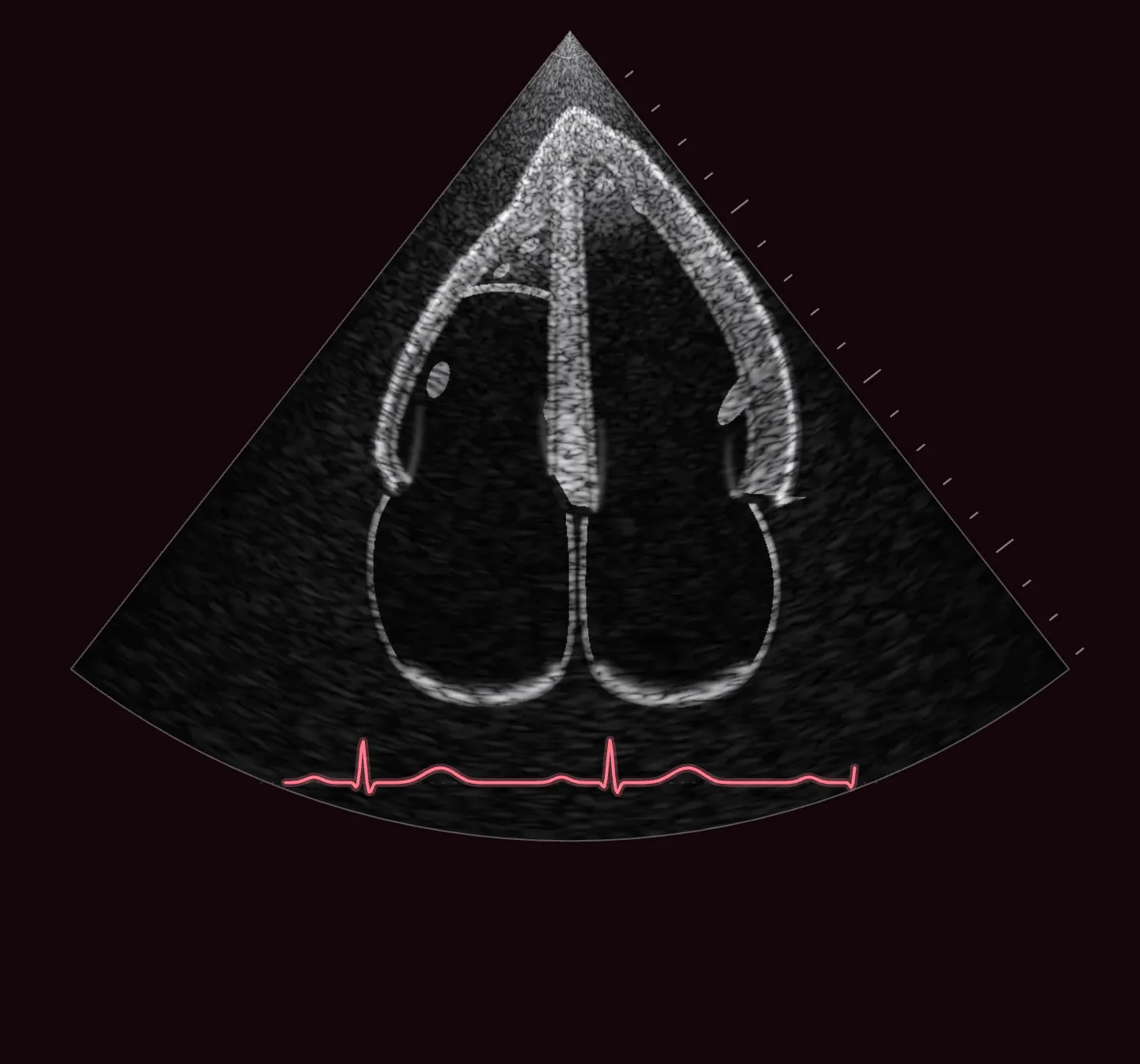
Echocardiography (heart echo)
An echo uses sound waves to make pictures of the heart. It shows how the heart pumps and how the valves work, and it uses no radiation. This page explains what an echo shows, what it does not show, and the main types.
Read moreChest pain and coronary artery disease
Chest pain does not always come from the heart, but sometimes it is an emergency sign. This page explains which pain should not wait for an appointment, how a doctor investigates it, and what angina and narrowed heart arteries are.
Read moreHigh blood pressure
High blood pressure usually has no symptoms and is shown only by measuring it. This page explains what the numbers say, how it is checked and controlled, and when to act urgently.
Read morePalpitations and irregular heartbeat
Palpitations means feeling your heartbeat more than usual. Most of the time they are harmless, but sometimes they point to a rhythm problem. This page explains causes, checks and the signs that are urgent.
Read moreHeart failure and heart valve disease
Heart failure means the heart does not pump blood as well as it should; it does not mean the heart has stopped working. Valve disease means one or more valves are not working properly. This page explains symptoms, checks, treatment and when to act urgently.
Read more
The full patient guide
What to bring to a first visit, how to prepare for an echo, and when to seek urgent care.