




Listen.See.Care. — Dr. Leili Faridi
Cardiologist Tabriz
Fellowship in Advanced Echocardiography
Listening first, then understanding; explained simply and clearly.
Fellowship in Advanced Echocardiography
Dr. Leili Faridi is a cardiologist in Tabriz. If chest pain or pressure, palpitations, breathlessness or swollen legs have worried you, or another doctor has sent you for an echo or a heart opinion, this site explains what the problem could be and what the next step is. Not every symptom is equally urgent. If chest pain has just started, call 115 before anything else.
More about the doctor
From echo to following blood pressure and heart rhythm.
Each concern has a plain explanation: what is looked at, what the options are, and when not to wait. The right approach is chosen after an examination and a conversation with the doctor.
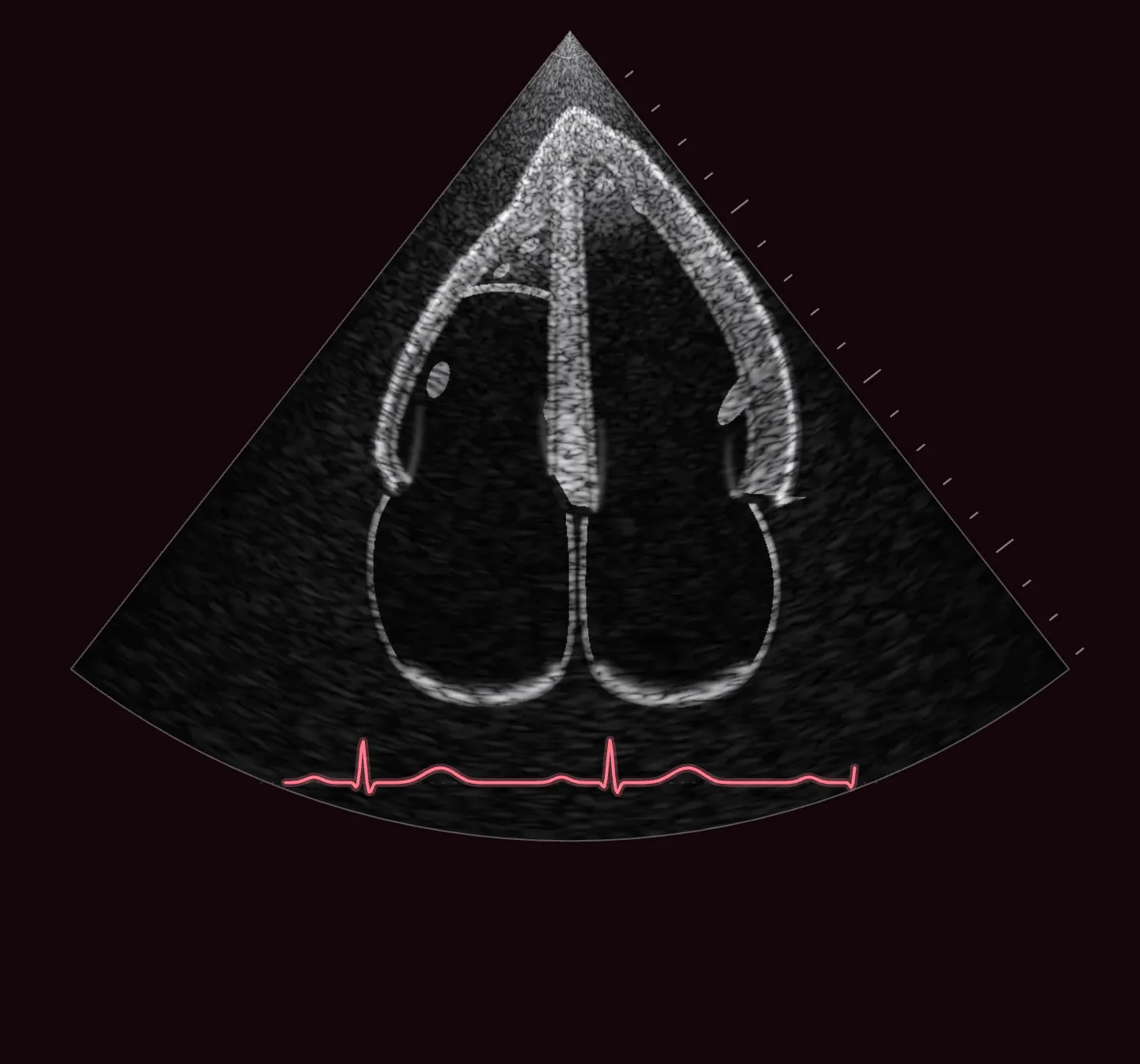
Echocardiography (heart echo)
An echo uses sound waves to make pictures of the heart. It shows how the heart pumps and how the valves work, and it uses no radiation. This page explains what an echo shows, what it does not show, and the main types.
Read moreChest pain and coronary artery disease
Chest pain does not always come from the heart, but sometimes it is an emergency sign. This page explains which pain should not wait for an appointment, how a doctor investigates it, and what angina and narrowed heart arteries are.
Read moreHigh blood pressure
High blood pressure usually has no symptoms and is shown only by measuring it. This page explains what the numbers say, how it is checked and controlled, and when to act urgently.
Read morePalpitations and irregular heartbeat
Palpitations means feeling your heartbeat more than usual. Most of the time they are harmless, but sometimes they point to a rhythm problem. This page explains causes, checks and the signs that are urgent.
Read moreHeart failure and heart valve disease
Heart failure means the heart does not pump blood as well as it should; it does not mean the heart has stopped working. Valve disease means one or more valves are not working properly. This page explains symptoms, checks, treatment and when to act urgently.
Read more
From the first conversation to follow-up and prevention
Five steps, one after another. Not everyone needs every step or every test; what is needed depends on your own situation.
- Step 1 of 5.
History and risk factors
At the first visit you are asked about your symptoms, past illnesses, medicines and family history. Bring earlier reports, ECGs or echo results.
- Step 2 of 5.
Examination and ECG
Blood pressure and heart rate are measured, the heart and lungs are listened to, and an ECG is taken if it is needed.
- Step 3 of 5.
Echo and the tests you need
If the doctor thinks it is needed, an echo or another test is requested. An echo uses sound waves and no radiation to show the shape and work of the chambers and valves. Not everyone needs every test.
- Step 4 of 5.
The treatment plan
Based on the findings, the options are explained. Sometimes lifestyle changes and follow-up are enough; sometimes medicine or further tests are needed. You decide together.
- Step 5 of 5.
Follow-up and prevention
Regular visits, blood pressure readings at home and a record of symptoms support steady care. If a warning sign appears, do not wait for an appointment: call 115.
You are not alone on this path.
Heart care is more than visits. From heart imaging and lab tests to medicines, services at home and referrals, the support team coordinates the details so you and your family have less running around and chasing.
Heart imaging and fast results
Quick appointments and results for the imaging a cardiologist asks for.
Other imaging and ultrasound
Quick appointments, with reports and images sent to the treating doctor.
Lab tests and blood sampling at home
Quick lab appointments and results, with the support team following up on your results.
Free transport with the support vehicle
Patient transport in a dedicated support vehicle, at no cost.
FreeSpecialist treatment and rehabilitation at home
When getting out is hard, part of treatment and rehabilitation comes to you.
Pharmacy and specialty medicines
Help getting specialty medicines, with delivery for Tabriz residents.
Fast referral to specialists and sub-specialists
If you need another doctor, the support team arranges the appointment and referral.
Rehabilitation and wellbeing
Quick appointments and referrals to rehabilitation and health specialists, arranged by the support team.
Services marked "Free" are provided at no cost.
What is worrying you?
Tap the concern closest to yours to reach the matching explanation. This list does not diagnose; it only takes you to the right page.
- Chest pressure or pain with activity
- Palpitations
- Short of breath on stairs
- Swollen ankles
- High blood pressure readings
- A heart murmur
- An echo requested by another doctor
- Heart disease in the family
Chest pain or pressure right now, severe breathlessness or fainting? Do not wait for an appointment. Call 115. When to seek urgent care
Simple answers to the first questions.
What should I bring to the first visit?
Earlier echo or ECG reports and images, recent test results, angiography or stress test results if you have had them, a list of all your medicines (bringing the boxes is best), and a referral note if you have one. If something is missing, come anyway; support can help you get it.
What is an echo, and does it hurt?
An echo uses sound waves to picture the heart, with no radiation. It is usually painless: a little gel and a device moved across the chest. Other kinds exist, and the echocardiography page explains them in general terms.
What does my echo result mean?
An echo report holds numbers and descriptions that only make sense next to your symptoms and examination. A number slightly outside the usual range is not always a disease. Go through the report with your treating doctor and do not draw conclusions from a number alone.
Why was my ECG normal if I still have symptoms?
An ECG shows only a few seconds of the heart's electrical activity. If the symptom was not present at that moment, or the problem lies elsewhere, the ECG can be normal. Take the symptom seriously and tell your doctor; whether more tests are needed is the doctor's call.
Do I have to take blood pressure medicine for life?
The answer is not the same for everyone. Some people need medicine for a long time and for others the plan changes. Never stop a medicine or change how you take it on your own; the decision is with your doctor.
Can I exercise?
Physical activity is often part of care, but the type and intensity depend on your heart and your symptoms. If activity brings chest pain or pressure, unusual breathlessness or dizziness, stop and ask for a check. If the symptoms are severe, call 115.
Which kinds of echo does this office do?
The doctor will provide this after review.
Do you work with insurance?
The list of insurers will be announced soon.
These answers are general and do not replace your doctor's advice for your situation.
The first step, a calm conversation.
Book an appointment or talk to support. If you have an urgent symptom, call 115 first.
Support number